The Complete Guide to Audio and Visual Equipment Rental in Boston, MA
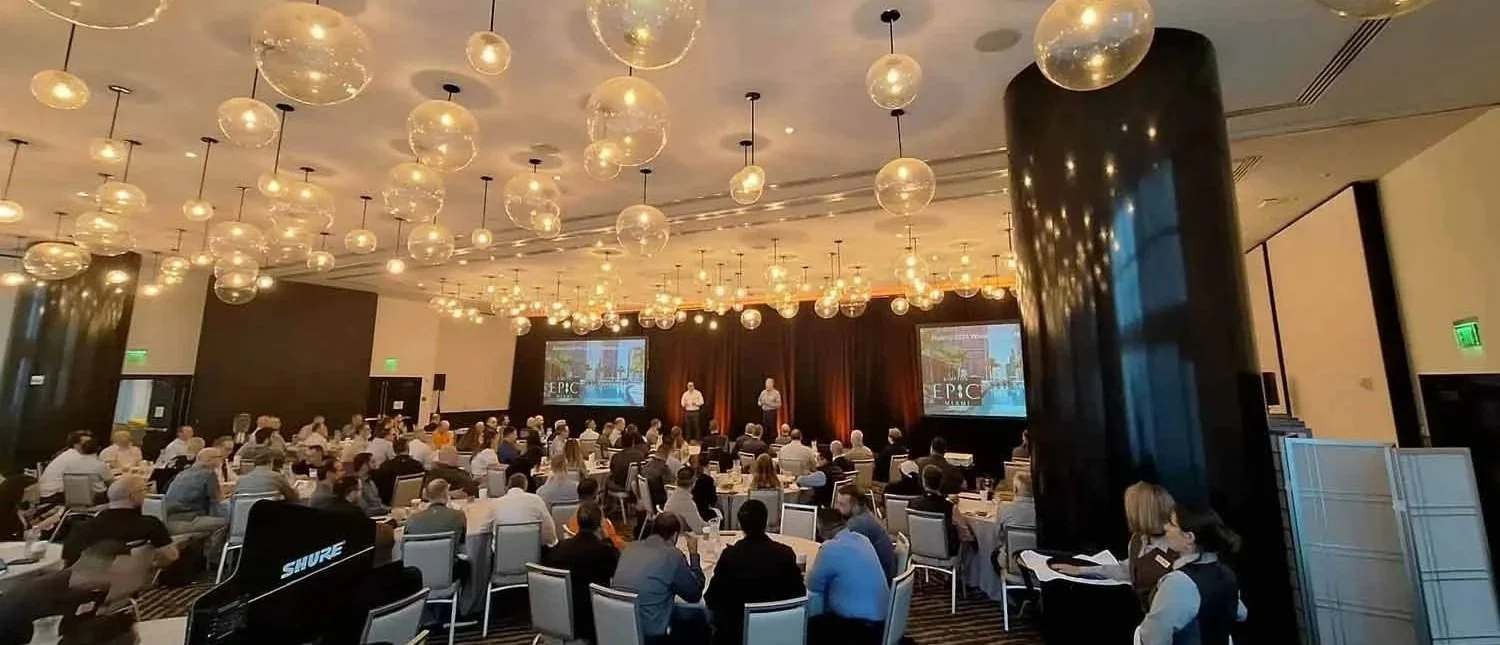
Planning an event in Boston? Whether it's a corporate conference, wedding reception, product launch, or community gathering, the quality of your audiovisual setup can significantly impact your event's success. This comprehensive guide covers everything you need to know about audio and visual equipment rental, why it matters, and how to partner with the right AV company in Boston to make your event exceptional.
Understanding Audio and Visual Equipment Rental: Why It Matters
Before diving into specific equipment types, let's discuss why audio and visual solutions are critical to modern events.
The Impact of Quality AV on Event Success
Research shows that audiences retain 65% of information when combined with visuals, compared to just 10% with audio alone. This is why leading event professionals—from Fortune 500 companies to wedding planners—invest significantly in quality audiovisual systems.
Poor audio quality makes speakers difficult to understand. Dim or pixelated video affects audience engagement and professionalism. Unreliable equipment can derail presentations, damage your reputation, and waste thousands of dollars in lost productivity or diminished impact.
When you work with a professional AV company in Boston, you're not just renting equipment—you're ensuring that your message, whether it's a sales pitch, wedding vows, or keynote address, is delivered with crystal clarity and visual impact.
Why Rent Rather Than Buy?
Many organizations consider purchasing their own audiovisual equipment. However, there are several compelling reasons why renting from an experienced audio and visual equipment rental company makes more sense:
Capital Expenditure vs. Operating Expense: Professional AV equipment is expensive. A single 4K projector can cost $10,000-$50,000. A quality sound system for a mid-sized venue might run $15,000-$30,000. Renting converts these capital expenses into operating costs, preserving cash flow and flexibility.
Rapid Technological Evolution: AV technology evolves quickly. LED displays, projection systems, and streaming capabilities improve significantly every few years. Renting ensures you always have access to current-generation equipment rather than owning outdated technology.
Maintenance and Support: Professional equipment requires regular calibration, maintenance, and troubleshooting. AV rental companies employ technicians who maintain, repair, and upgrade equipment continuously. You gain access to this expertise without the overhead.
Scalability: Your needs vary by event. One conference might require a simple projection setup, while another needs multiple screens, video walls, and live streaming capability. Rental companies can scale solutions up or down efficiently.
Storage and Logistics: Professional AV equipment requires proper storage, insurance, and transportation. Rental companies handle all logistics, freeing your team to focus on event planning rather than equipment management.
Types of Audio and Visual Equipment Available for Rental
Understanding what equipment is available helps you make informed decisions about your event's technical setup.
Projection and Display Systems
Projectors and Projection Screens
Projection remains one of the most versatile AV solutions for events. Modern projectors offer several advantages:
Brightness Levels: Professional projectors range from 5,000 to 30,000 lumens. Brighter projectors work better in well-lit venues or large spaces where ambient light can't be controlled.
Resolution Options: Standard Full HD (1920x1080) works well for most presentations. 4K (3840x2160) provides sharper images for detailed graphics, technical diagrams, or video content. WUXGA and other formats serve specific purposes.
Throw Ratio: This determines how far a projector must be from a screen to achieve a desired image size. Short-throw projectors work in spaces with limited depth, while standard throw projectors require more distance.
Screen Selection: White screens work for general presentations. Gain screens increase brightness for distant viewing. Gray screens improve contrast in lit environments. Rear-projection screens create elegant displays without visible equipment.
LED Video Walls and Large Format Displays
For high-impact visual presentations, LED displays offer advantages over projection:
Brightness: LED walls produce images visible in bright lighting conditions, making them ideal for outdoor events, trade shows, or venues with natural light.
No Keystone Distortion: Unlike projectors, LED walls display perfectly rectangular images regardless of viewing angle.
Resolution Flexibility: LED panels range from 2.5mm to 10mm pixel pitch, allowing high-resolution close viewing or distance viewing as needed.
Modular Design: LED walls can be configured in virtually any size or shape, from small 6x4 displays to massive video canvases covering entire building facades.
Direct Color Control: Unlike projection, which depends on screen quality and room conditions, LED displays produce consistent color and brightness.
Sound Systems and Audio Equipment
Professional audio systems serve different purposes and venue sizes. Understanding the distinctions helps ensure your event has adequate coverage and quality.
Powered Speakers and Portable Sound Systems
For smaller events (50-200 attendees), powered speakers offer simplicity and efficiency. These self-contained systems include amplification built into the speaker cabinet, requiring only audio input cables and power. Quality portable systems from brands like JBL, Bose, and Yamaha deliver clear, articulate sound suitable for presentations, small performances, or breakout sessions.
Line Array and Column Speaker Systems
For medium to large venues (300-1,000+ attendees), traditional powered speakers have limitations. Line arrays use multiple small speakers arranged vertically or horizontally to project sound intelligently throughout a space. Benefits include:
Even Coverage: Sound reaches the back row with similar volume and clarity as the front row.
Reduced Feedback: Directional systems minimize microphone feedback compared to omnidirectional speakers.
Professional Appearance: Line arrays are designed to look sophisticated in corporate or upscale event settings.
Column speakers offer similar benefits with a more compact footprint, making them ideal for conferences, corporate events, and formal presentations.
Subwoofers and Bass Management
For events featuring music, video content with impactful sound design, or live performances, subwoofers add low-frequency response that powered speakers cannot provide. Proper subwoofer integration requires professional calibration to ensure bass complements rather than overwhelms other frequencies.
Microphone Systems
Professional events typically require multiple microphone types for different applications:
Handheld Wireless Microphones: Ideal for presentations, Q&A sessions, host remarks, and performances. Modern systems offer 100+ channels of wireless operation, reliability, and range.
Lavalier/Lapel Microphones: Hands-free operation allows presenters to move naturally while maintaining consistent audio. Perfect for keynotes and presentations requiring mobility.
Headset Microphones: Common in theatrical productions, fitness events, and situations where hands must remain free.
Boundary/Condenser Microphones: Useful for round-table discussions, panel presentations, or capturing ambient sound. Often placed in the center of tables or on stage edges.
Gooseneck Microphones: Fixed installations at podiums, providing professional appearance and excellent pickup of presenter audio.
Mixing Consoles and Audio Processing
Professional events require audio mixing to balance multiple sources (microphones, video playback, music background tracks, etc.). Audio consoles range from small 8-channel mixers for intimate events to large digital consoles managing 50+ channels for major conferences. Features include:
Channel Count: How many audio sources can be mixed simultaneously.
Effects Processing: Reverb, compression, and equalization to optimize how audio sounds in your specific venue.
Routing and Sends: Ability to send different audio mixes to different destinations (main speakers, in-ear monitor systems for performers, livestream feeds, etc.).
Lighting Systems
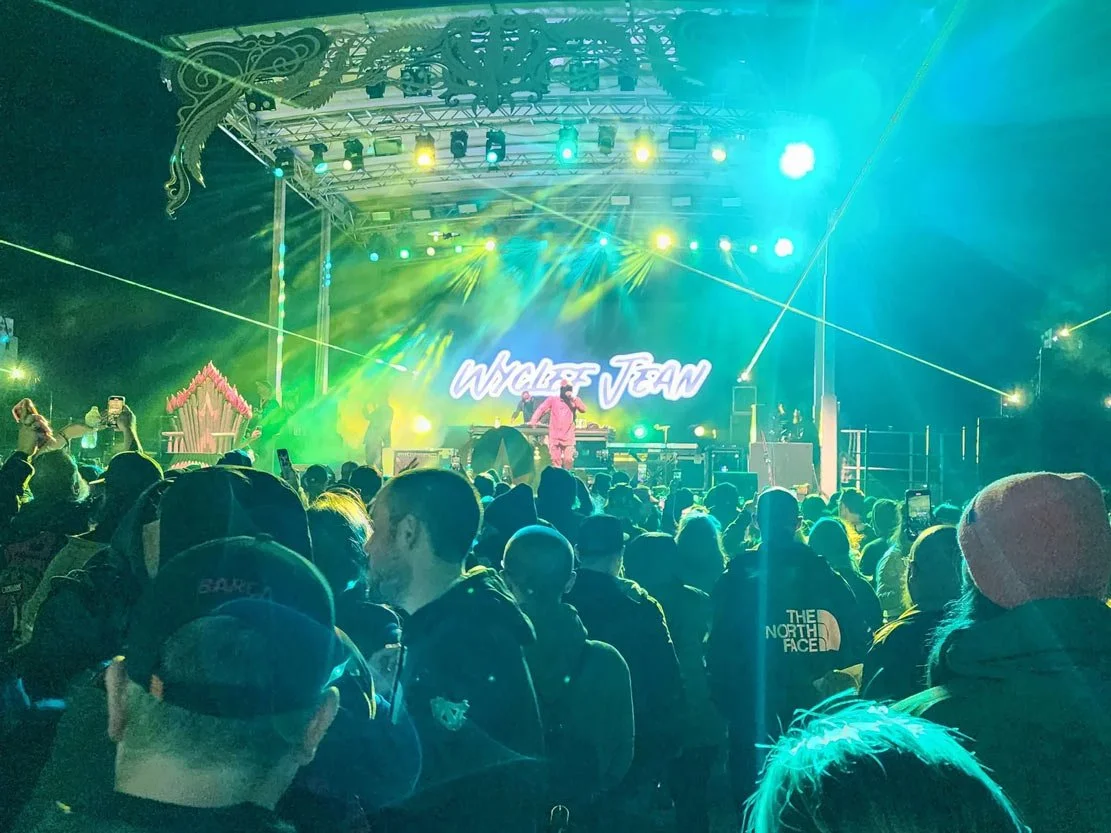
Professional lighting transforms venue appearance and directs audience attention.
Stage Lighting and Uplighting
Theatrical lighting (spotlights, wash lights, moving lights) creates dramatic effects and highlights speakers or performers. Uplighting illuminates architectural features, changes ambient venue mood, and creates visual interest behind speakers. LED fixtures have revolutionized event lighting with:
Energy Efficiency: LED systems use 75-90% less power than traditional halogen stage lighting.
Color Mixing: Full RGB control allows any color imaginable, coordinating with corporate branding or event themes.
Quiet Operation: No cooling fans, unlike older lighting technology.
Ambient Lighting and Effects
Beyond stage lighting, ambient systems light general areas, create mood, and produce visual effects. Options include:
LED Uplighting: Illuminate walls, columns, and architectural features with programmed color transitions.
Intelligent Moving Lights: Pan, tilt, and shift focus across a venue, creating dynamic light shows for entertainment events.
Gobos and Effects Projectors: Project patterns, logos, or textures, adding sophistication to event backdrops.
Ambient LED Tape and Panel Lighting: Subtle accent lighting that creates ambiance without overwhelming visual focus.
Video Streaming and Live Broadcast Equipment
For events with remote audiences or requiring recording, specialized equipment captures and distributes video content:
Broadcast Cameras: Professional-grade video cameras with 4K capability, excellent low-light performance, and lens flexibility for various shot types.
Streaming Encoding Equipment: Hardware and software that compresses video for distribution over internet connections.
Live Production Switching: Equipment that manages multiple video sources, selecting which appears on displays or in the livestream at any moment.
Graphics and Lower Thirds: Systems that overlay text, logos, speaker names, and graphics over video feeds.
Multiview Monitoring: Technical staff view multiple camera feeds simultaneously to coordinate smooth switching.
Integration and Control Systems
Professional AV systems require robust infrastructure:
Cabling and Connectors: Professional-grade cables ensure clean audio and video signal transmission.
Cable Management: Organized, hidden cabling maintains a polished aesthetic while protecting equipment.
Power Distribution: Sufficient dedicated power circuits prevent system shutdowns or equipment damage from overloads.
Control Systems: Centralized control allows single-button operation of complex multi-device setups, reducing operator error and simplifying troubleshooting.
Video Switching and Distribution: Equipment that routes video from multiple sources to multiple displays, allowing flexibility in what appears where.
How to Choose the Right AV Company in Boston, MA
Not all AV companies are created equal. Selecting the right partner significantly impacts your event's success.
Experience and Specialization
Leading AV companies in Boston develop deep expertise in specific event types. Ask prospective companies:
How many years have you been in business?
What types of events do you specialize in?
Can you provide references from similar events?
What percentage of your business comes from referrals vs. new customer outreach? (High referral rates suggest consistent customer satisfaction)
Companies that have managed hundreds of corporate conferences have different expertise than those focused on nightclub entertainment. Ensure your chosen AV company has proven experience with events similar to yours.
Equipment Inventory and Quality
Visit the AV company's facility if possible. Quality indicators include:
Equipment Condition: Is equipment well-maintained, with cables organized and devices looking professionally preserved?
Technology Currency: Do they have recent-generation equipment or outdated systems?
Inventory Depth: Can they handle multiple simultaneous events, indicating sufficient equipment inventory?
Redundancy: For critical equipment like projectors or speakers, do they have backups? Professional companies keep spares of frequently-used items.
Technical Expertise and Team
The best equipment fails without qualified technicians:
Certifications: Are technicians certified by equipment manufacturers or through professional organizations like InfoComm International?
Staff Stability: Do they employ full-time technicians or rely primarily on freelance contractors?
Ongoing Training: Do technicians receive training on new equipment and evolving standards?
Specializations: Do they have technicians with specific expertise (audio engineering, lighting design, video production)?
Design and Consultation Process
How does the company approach projects? Quality AV companies follow a structured process:
Thorough Needs Assessment: They ask detailed questions about your event goals, venue characteristics, audience size, and technical requirements.
Multiple Options: They present different solutions at various price points with clear explanations of trade-offs.
Detailed Technical Specifications: They provide written documentation of all equipment, settings, and configurations.
Venue Site Visits: For important events, quality companies visit your venue to assess lighting conditions, power availability, acoustics, and spatial constraints.
Contingency Planning: They discuss backup systems, redundancy, and contingency plans for critical components.
Support and Service Model
How the company treats you matters:
Responsiveness: Do they answer questions promptly? Are they available during business hours and by emergency contact after hours?
Project Management: Is there a dedicated contact managing your project, or do you navigate between different departments?
Pre-Event Coordination: Do they schedule site visits, conduct equipment tests, and prepare detailed setup documentation before event day?
On-Site Support: Who will be present during your event, what are their responsibilities, and what's the escalation process if issues arise?
Post-Event Follow-up: Do they contact you after the event for feedback and to discuss any improvements for future events?
Pricing Transparency
Professional AV companies are transparent about pricing:
Clear Line Items: You understand what each piece of equipment costs and what services are included.
Itemized Quotes: Proposals detail everything included, making it easy to compare different companies.
Hidden Costs: There shouldn't be surprise charges. Ask about delivery fees, setup fees, operator costs, and additional charges.
Volume Discounts: Many companies offer discounts for multi-day events or multiple simultaneous events.
Common Mistakes to Avoid When Renting AV Equipment
Learning from others' mistakes helps ensure your event succeeds:
Underestimating Audio Requirements
Many event planners assume "the venue has a sound system" or that a single powered speaker will suffice. Reality: Most venue systems are designed for background music, not clear speech intelligibility in large rooms. Professional events deserve professional audio. Consult an AV professional about your specific space.
Choosing Projectors Without Considering Ambient Light
A stunning projector looks dim and washed out in a bright room. Conversely, a bright projector in a dark room might feel harsh. The right projector specification matches your venue's lighting conditions and desired image brightness.
Inadequate Microphone Placement
Sound travels differently than you might expect. A podium microphone might not clearly capture a speaker who wanders. Lapel mics pick up rustling clothing. Boundary mics in the middle of a table might capture more conversation noise than speech. Professional placement planning prevents these issues.
Forgetting About Cable Management
Visible cables, tape-managed cables, or cables blocking walkways look unprofessional and create safety hazards. Budget time and money for proper cable management systems.
Insufficient Setup and Testing Time
Complex AV systems need setup and testing. One hour before your event is insufficient. Professional companies schedule setup the day before (for multi-day events) or several hours before for single-day events, allowing time to identify and resolve issues.
Not Planning for Video Content Distribution
What appears on the main screen? What about secondary displays? What do livestream viewers see? These decisions affect equipment selection and setup. Plan your video distribution strategy with your AV provider.
Overlooking Accessibility Needs
Professional events should accommodate attendees with disabilities. This might include:
Hearing Loops: Allow hearing aid users to receive audio directly without amplification feedback.
Live Captioning: Display real-time captions of spoken content for deaf and hard-of-hearing attendees.
ASL Interpretation: Visual interpreters positioned where attendees can see them.
Audio Description: For visually impaired attendees, describe important visual content.
Your AV company should be familiar with accessibility requirements and able to integrate these services.
Preparing for Your Audio and Visual Equipment Rental
Once you've selected your AV company, follow these steps for success:
Provide Detailed Event Information
Share everything relevant:
Event date, time, and duration
Expected attendance
Venue address, room dimensions, and layout
Event purpose and goals
Content sources (video files, livestream requirements, presentation formats)
Special requirements (awards presentations, live performances, awards ceremonies, ceremonial moments)
Budget constraints
Gather Necessary Information About Your Venue
Help your AV provider understand your space:
Obtain or take photos and videos of your venue
Note permanent AV infrastructure (existing screens, speakers, control systems)
Identify power access points and capacity
Understand ceiling height, construction, and load capacity
Check for internet connectivity (speed and reliability for streaming)
Identify potential acoustic challenges (hard surfaces, background noise)
Develop Your Content Strategy
Plan what audio and video content you'll use:
How many presentations or videos will you display?
What format are presentation files (PowerPoint, video, etc.)?
Do you need background music or ambient sound?
Will you have live performances or speakers requiring audio reinforcement?
Do you need to livestream or record?
Plan Your Timeline
Create a detailed timeline including:
Equipment delivery and setup schedule
Technical rehearsal/equipment testing
Event execution with detailed timing
Contingency time buffers
Breakdown and equipment removal
Conduct Rehearsals
If your event involves presentations, performances, or complex technical elements, conduct full technical rehearsals. Rehearsals identify issues before they affect attendees and build presenter confidence.
Audio and Visual Equipment Rental Costs: What to Expect

Understanding typical costs helps you budget appropriately.
Factors Affecting Rental Costs
Venue Size: Larger venues require more powerful speakers, brighter projectors, and additional equipment to achieve adequate coverage. A small conference room might need $500-1,000 in rental equipment. A large ballroom could require $10,000-25,000+.
Event Duration: Multi-day events often have per-day pricing or discounts. A single 4-hour event costs more per hour than a 2-day conference.
Equipment Complexity: A basic projection setup costs much less than a multi-screen display system with video switching and live streaming.
Equipment Type: Premium equipment costs more than standard options. 4K projection is more expensive than 1080p. Line array speakers cost more than powered speakers.
Technical Support: On-site technician support adds cost but prevents technical failures. Professional events typically justify this expense.
Delivery and Setup: Many companies include local delivery within their service area. Setup hours for complex installations add to total cost.
Typical Rental Pricing by Event Type
Small Conference (50-100 attendees, 4 hours): $1,500-3,500 (basic projection, sound, microphone)
Medium Corporate Event (100-300 attendees, 4 hours): $3,500-8,000 (projection, sound system, wireless mics, uplighting)
Large Conference (300-500 attendees, full day): $8,000-20,000 (main stage setup, breakout room equipment, video switching, livestream capability)
Wedding Reception (150-300 guests, 6-8 hours): $2,500-7,000 (lighting, sound system, wireless mics, video display)
Live Streaming Event (any size): Add $2,000-5,000 for encoding equipment, internet management, and dedicated streaming technician
These are estimates. Actual costs vary widely based on specific requirements and your region. Request detailed quotes from multiple AV companies in Boston to understand market rates.
Why Partner with Supreme AV for Your Boston-Area Events
Supreme AV has served the Boston area with professional audio and visual equipment rental for years, earning a reputation for reliability, technical excellence, and customer service. Whether you're planning a corporate conference, wedding, trade show, educational event, or entertainment venue, Supreme AV provides:
Comprehensive Equipment Inventory: From simple projection setups to complex multi-screen video walls, livestreaming systems, and full-scale production environments.
Experienced Technical Team: Certified technicians who handle setup, troubleshooting, and on-site support.
Local Expertise: Deep understanding of Boston-area venues and their specific characteristics.
Flexible Service Options: Custom packages scaled to your needs and budget.
Responsive Customer Service: Direct access to project managers who understand your event and prioritize your success.
Getting Started with Your Audio and Visual Equipment Rental
Ready to elevate your Boston-area event with professional AV solutions? Contact Supreme AV for a consultation. Our team will discuss your event requirements, venue characteristics, and goals, then recommend the optimal audio and visual equipment rental solution. Let us handle the technical details while you focus on creating an exceptional event experience for your attendees.